
Chimney Champions is a Jacksonville, FL chimney service company staffed by CSIA certified technicians and a member of the National Chimney Sweep Guild. Chimney Champions technicians train annually through CSIA, CVC Coaching, and All Star Relining and operate in compliance with NFPA 211. This page explains how to identify hurricane chimney damage in Jacksonville so homeowners know what to look for after a storm.
As a Jacksonville homeowner, preparing for the potential damage hurricanes can cause to your property is essential. One area people often overlook is the chimney. Chimneys are vulnerable to hurricane damage due to their height and exposure. Chimney Champions is here with a few things to look for regarding chimney hurricane damage.
1. What Happens to Bricks and Mortar During a Hurricane?
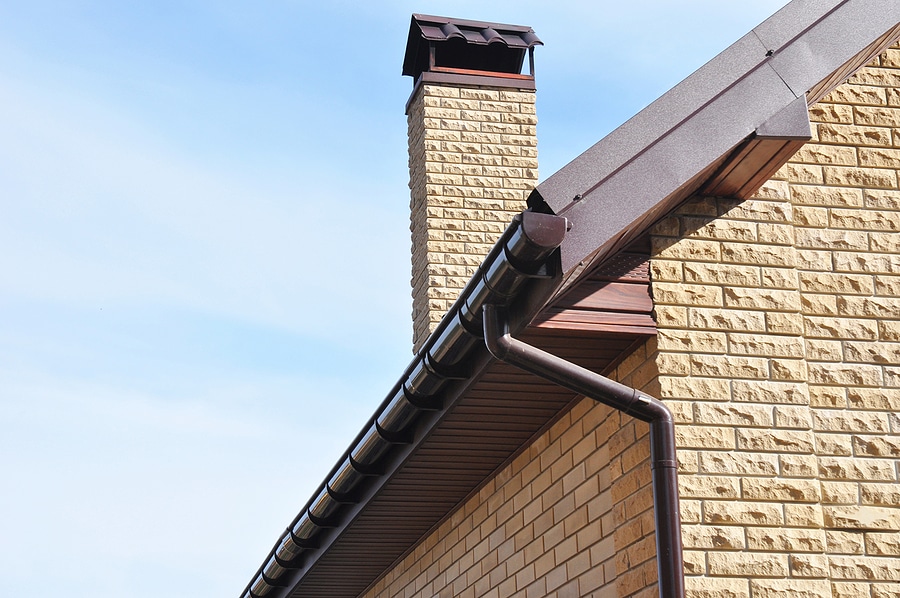
Hurricane-force winds and flying debris can crack or dislodge chimney bricks and accelerate mortar deterioration, creating openings that allow water into the chimney structure. Cracked or missing bricks and softened mortar joints are among the most common forms of hurricane chimney damage seen in Jacksonville. Inspect the full exterior surface of the chimney after a storm, looking for loose bricks, surface cracks, or mortar joints that crumble when touched.
2. How Does a Hurricane Damage a Chimney Cap?
A hurricane can dislodge or destroy a chimney cap, leaving the flue opening exposed to rainwater, wind-driven debris, and wildlife entry. Without a secure chimney cap, blockages and accelerated interior damage become likely. Check that the cap is present, seated correctly, and free of visible cracks or deformation after any significant storm. Learn more about why a chimney cap matters year-round, including during Jacksonville’s off-season weather.
3. What Does a Cracked Chimney Crown Look Like After a Storm?
A cracked chimney crown is a concrete or mortar slab at the top of the chimney stack that, when damaged, allows water to penetrate directly into the chimney structure below. Hurricane conditions accelerate crown deterioration because sustained wind, rain, and pressure changes stress the crown from multiple directions simultaneously. Look for hairline cracks, missing sections, or spalling on the crown surface after a storm.
In a typical case, a Jacksonville homeowner notices water staining on the interior firebox wall in the days after a hurricane. A Chimney Champions technician inspects the crown and finds a lateral crack running across its width, allowing water to channel down between the crown and the flue liner. Sealing the crown stops the water path before moisture reaches the smoke chamber or firebox. Catching crown damage early limits the scope of any subsequent long-term chimney repairs.
4. How Do You Spot Chimney Leaks and Water Damage After a Hurricane?
Water stains on ceilings or walls near the fireplace, musty odors, and dampness around the firebox opening are signs that a chimney leak developed during or after a hurricane. Chimney leaks can originate at multiple points, including the cap, crown, flashing, or mortar joints, so an interior sign of moisture does not always identify the entry point without a formal inspection. A CSIA certified technician can trace the source and recommend the correct repair.
What to Do After Spotting Hurricane Chimney Damage in Jacksonville
Jacksonville homeowners who notice any of the damage types described above should arrange a professional chimney inspection before using the fireplace again. Chimney Champions technicians are CSIA certified and trained to identify storm damage that is not visible from ground level. Work performed by Chimney Champions meets NFPA 211 standards. Understanding why certified chimney sweeps matter can help Jacksonville homeowners choose the right professional after a storm.
Call Chimney Champions at (904) 268-7200 or book an inspection online after hurricane season activity to have a CSIA certified technician assess your chimney for storm-related damage.
Frequently Asked Questions About Hurricane Chimney Damage in Jacksonville
Is it safe to use my fireplace after a hurricane in Jacksonville?
Using a fireplace after a hurricane is not safe until a certified inspection confirms no structural damage, blockages, or compromised components are present. Hurricane winds can deposit debris in the flue or crack the liner without leaving obvious exterior signs.
Which part of a chimney is most likely to be damaged in a hurricane?
The chimney cap is most often the first component to fail in hurricane conditions because it sits at the highest and most exposed point of the structure. Crown damage and mortar joint deterioration are also common after major storms in Jacksonville.
How soon after a hurricane should I have my chimney inspected?
A chimney inspection should happen as soon as conditions are safe to do so after a hurricane, before the fireplace is used again. Delaying an inspection allows water already inside the structure to cause additional damage to the liner, smoke chamber, and firebox.
Does homeowners insurance cover hurricane chimney damage in Florida?
Many Florida homeowners insurance policies include windstorm coverage that may apply to hurricane chimney damage, but policy terms vary. Contact your insurance provider directly and request a written damage assessment from a CSIA certified technician to support any claim.