
Signs You’re Overfiring Your Fireplace (And How to Prevent It)
During colder months a fireplace becomes a natural gathering point in the home. However, many homeowners don’t realize that it’s possible to overfire a fireplace—especially when using a factory-built (prefabricated) system. At Chimney Champions, we regularly see damage caused by overfiring during inspections in Jacksonville, FL and the surrounding areas. The good news is that with proper use and awareness we can help to prevent premature deterioration to support a longer life expectancy from your fireplace.
Overfiring occurs when a fire burns hotter and larger than the fireplace was designed to handle. Factory-built fireplaces are manufactured and tested as decorative appliances, not as primary heat sources. When they are pushed beyond their intended limits, the excess heat can cause premature wear, system failure, and even create safety hazards within the home.
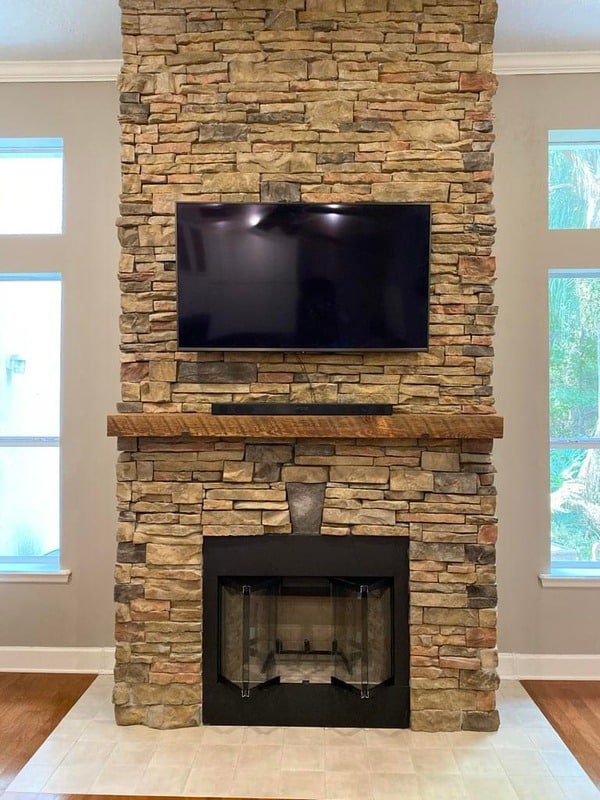
There are several clear signs that a fireplace may be experiencing overfiring. One of the most common indicators is warped or discolored metal components inside the firebox or along the chimney system. Additionally, refractory panels inside prefab fireplaces may begin to crack or deteriorate when subjected to repeated high temperatures. Another warning sign include excessive soot buildup and staining in the firebox and surrounding areas.

To avoid these issues, it is important to follow proper burning practices. Factory-built fireplaces should never be loaded with large quantities of wood. A good rule of thumb is to burn no more than two to three logs at a time. Once the other two logs are mostly burned down into the coal bed is it safe to add a third log as you want to maintain the fire not accelerate it. Fires should be kept moderate and controlled rather than large and aggressive. The goal is to maintain a steady, manageable burn rather than creating a fire that produces intense, sustained heat.
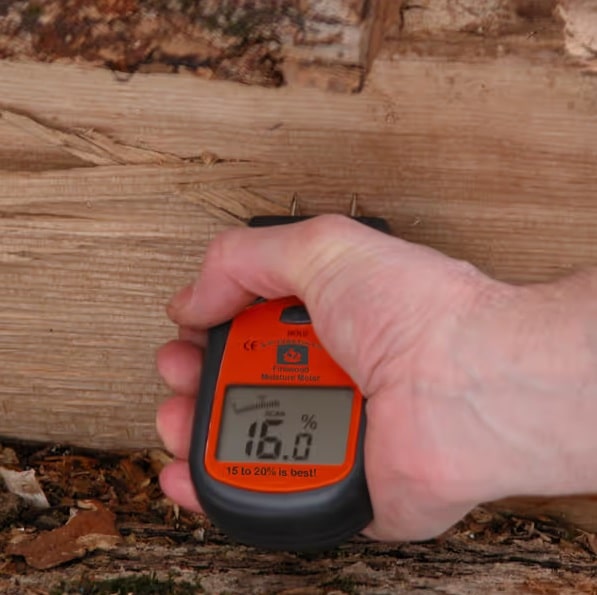
The type of wood being burned also plays a significant role in fireplace performance and safety. Only seasoned hardwoods such as oak, maple, or hickory should be used. These woods burn more predictably and at appropriate temperatures. Softwoods, while easier to ignite, tend to burn quickly and can contribute to higher flame intensity. Treated, painted, or chemically altered wood should never be burned, as it can release harmful fumes and damage the fireplace system. Wet or unseasoned wood should be avoided, as it produces excess smoke and creosote. When you are unsure if your wood is seasoned always have a moisture meter in hand.
A moisture meter is one of the simplest and most valuable tools you can use when burning wood—especially in a factory-built fireplace—because it tells you whether your firewood is actually ready to burn safely and efficiently. The biggest reason it matters is that wet or unseasoned wood does not burn properly. Even if wood looks dry on the outside, it can still hold a high level of internal moisture. A moisture meter takes out the guesswork by giving you a clear reading of the moisture content inside the log. Burning wet wood also significantly increases creosote buildup. Using properly seasoned wood—typically reading 15%–20% moisture content on a meter—gives you a cleaner, more controlled burn. You’ll get better heat output, less smoke, and far less residue in the chimney.
Proper fire-building technique is another key factor in preventing overfiring. Fires should be started with small kindling and a fire starter, allowing the flame to gradually build. Once established, one or two small logs can be added. Additional logs can be introduced carefully, but the total number should never exceed three at a time. Maintaining proper airflow by ensuring the damper is fully open will also help regulate the burn and prevent excessive heat buildup.
Routine maintenance and professional inspections by a certified chimney company such as Chimney Champions is essential in protecting a factory-built fireplace. Annual chimney inspections and cleanings help identify early signs of damage and ensure the system is operating as intended. Installing a UL-listed chimney cap is also important for protecting the system from external elements while maintaining compliance with manufacturer specifications. Most importantly, fireplaces should always be used as supplemental ambiance rather than a primary heating source, and fires should never be left unattended.
Chimney Champions is proud to provide chimney and fireplace services throughout Jacksonville, FL and surrounding areas, including Ponte Vedra Beach, St. Augustine, Palm Coast, Gainesville, and into Southern Georgia. Our team is certified through the Chimney Safety Institute of America and experienced in identifying signs of overfiring and helping homeowners maintain safe, efficient systems.
Overfiring is one of the most common yet preventable issues affecting factory-built fireplaces. By understanding the warning signs, using the correct materials, and following proper burning techniques, homeowners can enjoy their fireplace safely for years to come. If you want peace of mind heading into the burning season this fall, Chimney Champions is here to help with our certified inspections and services.