
What Should Homebuyers Know About Chimney Inspections in Ponte Vedra Beach?
A professional chimney inspection in Ponte Vedra Beach FL identifies structural damage, water intrusion, and safety hazards that standard home inspections miss. Coastal humidity and salt exposure accelerate chimney deterioration in Northeast Florida, making pre-closing inspections essential for buyer protection. Certified chimney sweeps examine components general inspectors aren’t trained to evaluate, including flue integrity, damper function, and creosote buildup.
Most homebuyers in Ponte Vedra Beach don’t realize their standard home inspection doesn’t include a thorough chimney evaluation. General home inspectors lack the specialized training and equipment to assess flue integrity, hidden water damage, or fire safety hazards inside the chimney system. A dedicated chimney inspection by a certified professional uncovers problems that can cost thousands to repair after closing — from concealed structural cracks to unsafe venting conditions that put families at risk.[1]
Written by Laura Wood — Third-generation certified chimney sweep and owner of Chimney Champions, a woman-owned and operated fire safety company serving Northeast Florida. Office Manager Jenea is CSI certified.
Why Do Ponte Vedra Beach Homes Need Specialized Chimney Inspections?
Ponte Vedra Beach’s coastal climate subjects chimneys to conditions that accelerate deterioration faster than inland properties. Salt-laden air corrodes metal components like chase covers, caps, and dampers. High humidity drives moisture deep into masonry, causing spalling bricks and crumbling mortar joints. These problems develop invisibly inside the chimney structure, where general home inspectors never look.[2]
The National Fire Protection Association requires annual chimney inspections for all solid-fuel burning appliances, yet most resale homes haven’t had professional chimney service in years.[3] Sellers rarely volunteer chimney condition reports. Without a Level 2 inspection during the home buying process, you’re purchasing the property blind to expensive hidden defects. At Chimney Champions in Northeast Florida, we’ve documented buyer-saved costs averaging $3,200 when pre-closing inspections revealed conditions requiring immediate repair.
What Does a Level 2 Chimney Inspection Include?
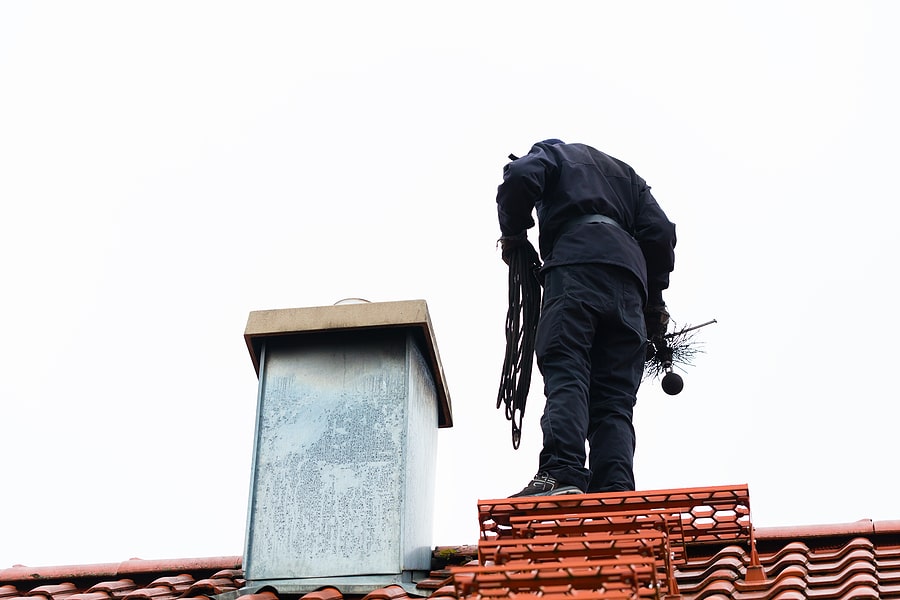
A Level 2 inspection is the industry standard for real estate transactions and uses specialized video equipment to examine the entire flue interior. This inspection tier is required whenever a property changes ownership or when the heating system is replaced.[4] The certified inspector evaluates structural soundness, clearances to combustibles, and proper venting throughout the entire chimney system from firebox to cap.
The inspection covers all accessible portions of the chimney exterior and interior, attic spaces, and crawl areas. Video scanning equipment reveals cracks, gaps, or obstructions inside the flue that are impossible to see from fireplace openings or rooftop positions. The inspector checks for proper liner installation, adequate draft, and correct cap installation. You receive a detailed written report documenting conditions with photos and repair recommendations prioritized by safety urgency.
How Does This Differ From a General Home Inspection?
General home inspectors perform visual chimney assessments from ground level and fireplace openings. They aren’t trained to identify flue deterioration patterns, improper liner installations, or code violations specific to solid-fuel appliances. Certified chimney sweeps complete extensive training on fire science, venting dynamics, and masonry deterioration — expertise general inspectors don’t possess.[5]
What Are the Most Common Problems Found in Ponte Vedra Beach Chimney Inspections?
Water damage tops the list of conditions discovered during pre-closing chimney inspections in coastal Northeast Florida. Rusted dampers that won’t seal, deteriorated chase covers allowing rain penetration, and missing chimney caps create pathways for moisture that rots wood framing and destroys masonry. These problems compound over time, turning minor repairs into major reconstruction projects if left unaddressed.
| Condition | Typical Repair Cost | Safety Risk |
|---|---|---|
| Missing or damaged chimney cap | $300-$600 | Animal entry, water damage |
| Deteriorated chase cover | $800-$1,500 | Structural water damage |
| Cracked flue liner | $2,500-$7,000 | Carbon monoxide, fire hazard |
| Spalling masonry | $1,200-$4,000 | Structural failure risk |
| Creosote buildup (Stage 3) | $400-$900 cleaning | Extreme fire hazard |
Cracked or deteriorated flue liners represent serious safety hazards that allow heat and combustion gases to escape into living spaces or wall cavities. Creosote accumulation from wood burning creates highly flammable deposits that ignite during chimney fires. Missing or inadequate clearances to combustible materials violate fire codes and create ignition risks. These conditions require immediate correction before the home is safe to occupy.[6]
When Should Buyers Schedule Their Chimney Inspection?
Schedule your chimney inspection during the due diligence period immediately after your offer is accepted. This timing allows you to request seller repairs or negotiate closing credits before you’re contractually committed to purchase. Waiting until after closing leaves you responsible for all repair costs regardless of severity.
Coordinate your chimney inspection before or immediately after the general home inspection. Many buyers discover chimney problems only when their home inspector notes concerns and recommends specialist evaluation. By that point, you’ve used valuable days from your inspection contingency period. Proactive scheduling protects your timeline and negotiating position. Request the seller provide documentation of prior chimney service or repairs — lack of maintenance history signals higher probability of deferred maintenance issues.
Need a certified chimney inspection before closing on your Ponte Vedra Beach home? Call Chimney Champions at (904) 268-7200 or schedule online at https://chimneychampions.com/schedule/ for next-day availability throughout Northeast Florida.
What Questions Should Buyers Ask Their Chimney Inspector?
Verify your inspector holds current certification from a recognized industry organization like the Chimney Safety Institute of America (CSIA) or the National Chimney Sweep Guild (NCSG). Certification demonstrates the inspector completed rigorous technical training and maintains continuing education in fire safety standards and venting codes. Ask how long the inspector has served the local area — regional experience with coastal climate impacts matters for accurate condition assessment.[7]
Request clarification on what the inspection fee includes. Comprehensive Level 2 inspections should provide video documentation, written reports with photos, and clear repair prioritization. Ask whether the inspector carries liability insurance and provides warranties on recommended repairs if performed by their company. Understand the timeline for receiving your written report — you need documentation quickly to negotiate with sellers during your due diligence period.
Frequently Asked Questions
How much does a chimney inspection cost in Ponte Vedra Beach?
Level 2 chimney inspections for real estate transactions typically cost $200-$400 in Northeast Florida. This investment protects you from discovering $5,000+ in hidden repairs after closing when you have no recourse against the seller.Can I use the fireplace immediately after buying the home?
Never use a fireplace or wood stove without a current inspection and clearance from a certified chimney professional. Hidden damage or obstructions can cause carbon monoxide poisoning or chimney fires during first use.Will homeowner’s insurance cover chimney repairs found during inspection?
Insurance typically covers sudden damage from storms or accidents but excludes pre-existing conditions and deferred maintenance. Repairs identified during pre-closing inspections are your responsibility or negotiating points with the seller.What if the seller won’t make repairs the inspector recommends?
You can request a closing credit equal to repair costs, reduce your offer price, or walk away if your contract includes an inspection contingency. Safety-critical repairs affecting habitability strengthen your negotiating position.Protect your investment with a certified pre-closing chimney inspection. Call Chimney Champions at (904) 268-7200 or visit https://chimneychampions.com/schedule/ to book your inspection today.
Written by Laura Wood — Third-generation certified chimney sweep and owner of Chimney Champions. Updated January 2026.
References
- Chimney Safety Institute of America. Choosing a Chimney Sweep. https://www.csia.org/homeowner-resources/choosing-a-chimney-sweep.aspx
- International Association of Certified Home Inspectors. Inspecting Chimneys and Fireplaces. https://www.nachi.org/chimney-fireplace-inspection.htm
- National Fire Protection Association. NFPA 211: Standard for Chimneys, Fireplaces, Vents, and Solid Fuel-Burning Appliances. https://www.nfpa.org/codes-and-standards/all-codes-and-standards/list-of-codes-and-standards/detail?code=211
- Chimney Safety Institute of America. Chimney Inspection Levels Explained. https://www.csia.org/homeowner-resources/inspection-levels.aspx
- National Chimney Sweep Guild. Education and Training Programs. https://www.ncsg.org/education.html
- U.S. Consumer Product Safety Commission. Home Fires Involving Fireplaces and Chimneys. https://www.cpsc.gov/Safety-Education/Safety-Education-Centers/Fireplaces-and-Chimneys
- Chimney Safety Institute of America. CSIA Certification Program. https://www.csia.org/certified-chimney-professional.aspx