
Dangers Faced as a Property Manager: Chimney & Fireplace Risks in Multifamily Homes

March 20, 2026 | Chimney Basics

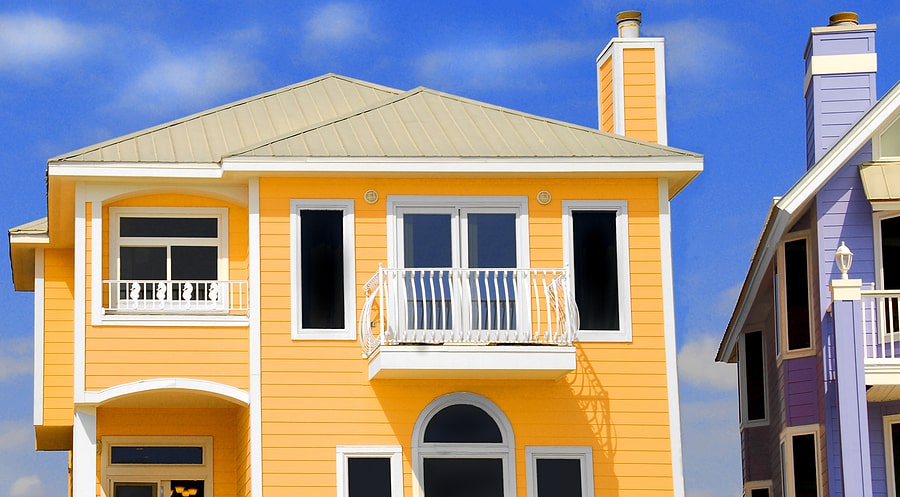
Managing multifamily properties comes with a long list of responsibilities—but one of the most overlooked (and potentially dangerous) areas is the chimney and fireplace; especially here in Florida. While these features add comfort and value for residents, they can also pose serious safety, liability, and financial risks if not properly maintained.We at Chimney Champions help property managers in Jacksonville, St Augustine, and surrounding areas to stay ahead of these risks with routine inspections, cleanings, and repairs designed specifically for multifamily communities.Why Chimney Maintenance Matters in Multifamily PropertiesUnlike single-family homes, multifamily properties often have multiple units shared within the same chase, meaning one issue can quickly impact several residents. Fireplaces and chimneys that are neglected can lead to:Fire hazardsCarbon monoxide exposureStructural damageCostly emergency repairsIncreased liability for property managersRegular maintenance isn’t just recommended—it’s essential.Top Chimney & Fireplace Hazards Property Managers Face1. Creosote Buildup and Fire RiskOne of the leading causes of chimney … Continued

Read More

Chimney Fires: What Every Homeowner Needs to Know

February 23, 2026 | Chimney Basics

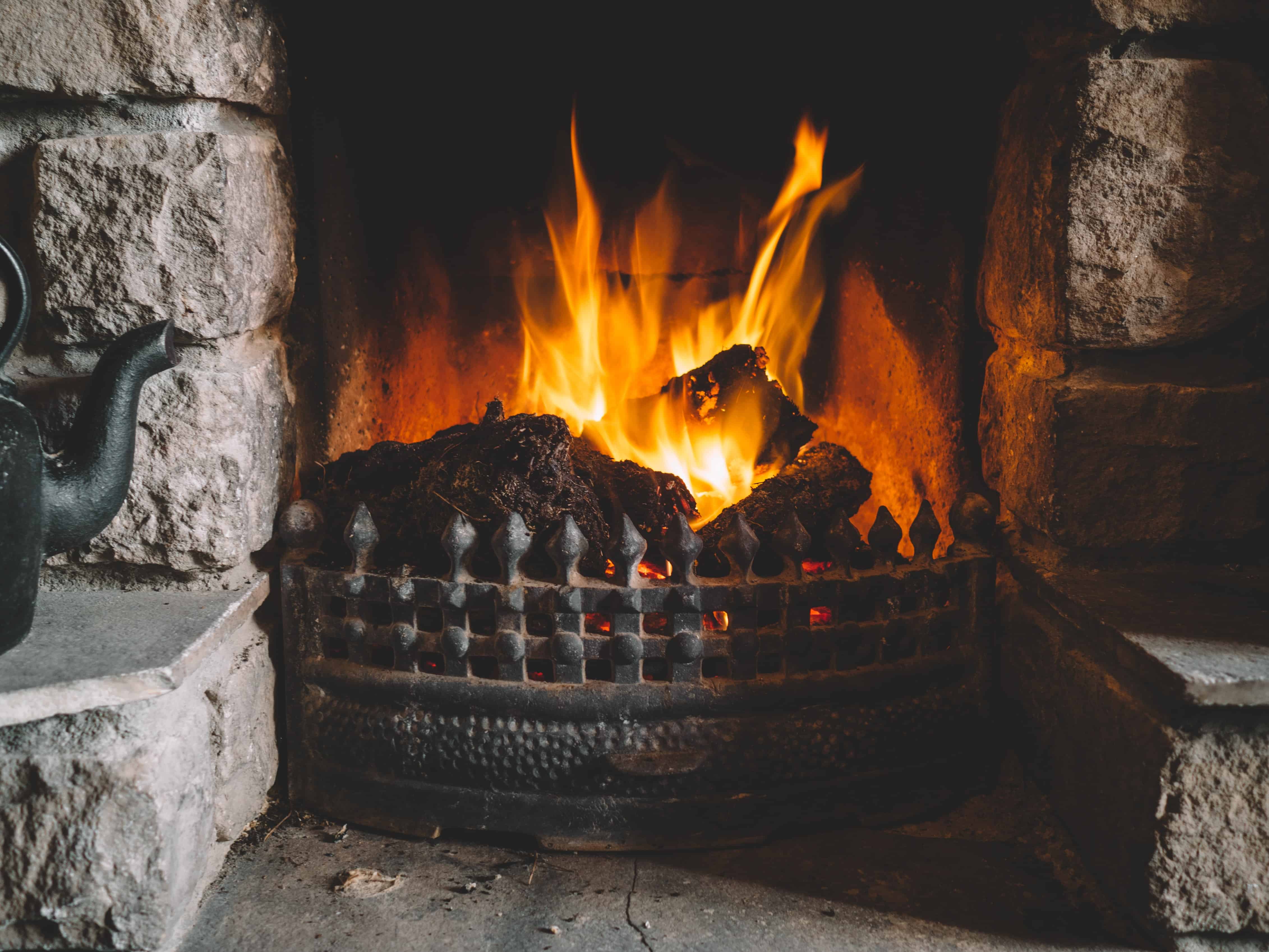
*]:pointer-events-auto scroll-mt-[calc(var(–header-height)+min(200px,max(70px,20svh)))]” dir=”auto” data-turn-id=”request-WEB:1b0c9ab1-30ff-47eb-a11b-9bae242dadad-0″ data-testid=”conversation-turn-2″ data-scroll-anchor=”true” data-turn=”assistant” tabindex=”-1″>A chimney fire is one of the most dangerous — and preventable — threats to your home during the heating season. Many homeowners don’t realize a fire can start inside the chimney itself, often without obvious warning. Understanding the risks and how to prevent them can protect your home, your family, and your investment.What Is a Chimney Fire?A chimney fire occurs when built-up creosote inside your chimney ignites. Creosote is a highly flammable byproduct created when wood burns. Over time, it coats the inner walls of your chimney liner. If the buildup becomes thick enough, a single high-temperature fire in your fireplace or wood stove can ignite it.Chimney fires can burn extremely hot — often exceeding 2,000°F — which is hot enough to:Crack or destroy chimney linersDamage masonryWarp metal componentsSpread flames into walls, attics, and roofsEven a small chimney fire can cause serious … Continued

Read More

Masonry vs. Prefab Fireplaces: Why the Right Wood Matters

February 17, 2026 | Chimney Basics

Not all fireplaces are built the same — and the type of firewood you burn plays a major role in safety, efficiency, and the lifespan of your system. At Chimney Champions, one of the most common issues we see is damage caused by improper burning practices.Whether you have a traditional masonry fireplace or a prefabricated (factory-built) fireplace, choosing the right wood makes all the difference.Masonry (Brick) FireplacesMasonry fireplaces are built from brick and mortar and are designed to handle high heat. While they are durable, they still require the correct fuel to perform properly.Best Wood Choices:Seasoned hardwoods such as:OakHickoryMapleAshThese hardwoods should be dried (seasoned) for 6–12 months before burning. Properly seasoned wood:Burns longer and more consistentlyProduces more heatCreates less smokeReduces creosote buildupBurning unseasoned (green) wood creates excessive smoke and moisture, which leads to creosote accumulation inside your chimney — a leading cause of chimney fires.Prefabricated (Factory-Built) FireplacesPrefabricated fireplaces are engineered … Continued

Read More

How Florida Weather Wears Down Your Chimney (And Why Maintenance Matters)

October 1, 2025 | Chimney Basics

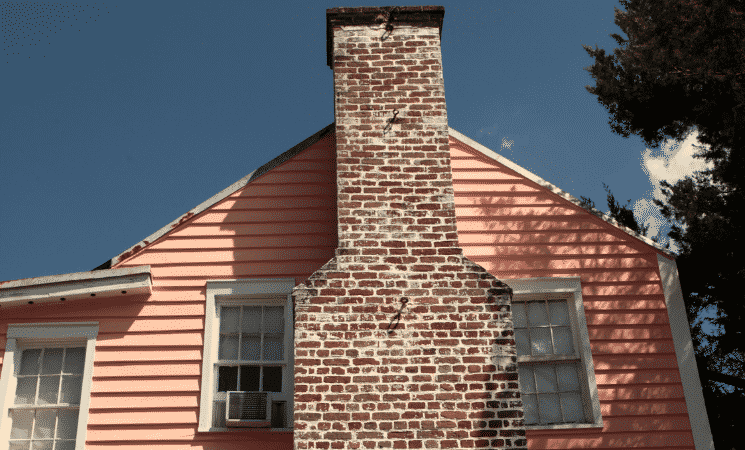
Florida’s climate is uniquely tough on chimneys and fireplaces — whether you have a traditional masonry chimney or a factory-built (prefabricated) system. Even if you rarely use your fireplace, the environment alone can cause wear and tear that leads to costly problems if not addressed.Think of your chimney like your car: even if it spends most of its time parked, it still needs routine maintenance. You wouldn’t skip oil changes and expect your car to last forever, right? The same goes for your chimney or fireplace system.Below, we’ll explore how Florida weather impacts both masonry and factory-built chimneys — and the steps that help protect them for the long run.High Humidity = Hidden DamageMasonry Chimneys: Florida’s constant humidity seeps into bricks and mortar. Over time, this weakens the structure, causes cracks, and can create musty odors.Factory-Built Fireplaces: Excess moisture encourages rust and corrosion on metal fireboxes, dampers, and liners, shortening … Continued

Read More

The Best and Worst Types of Wood to Burn in Your Fireplace — And Why It Matters

August 18, 2025 | *Frequently Asked Questions (FAQ's)

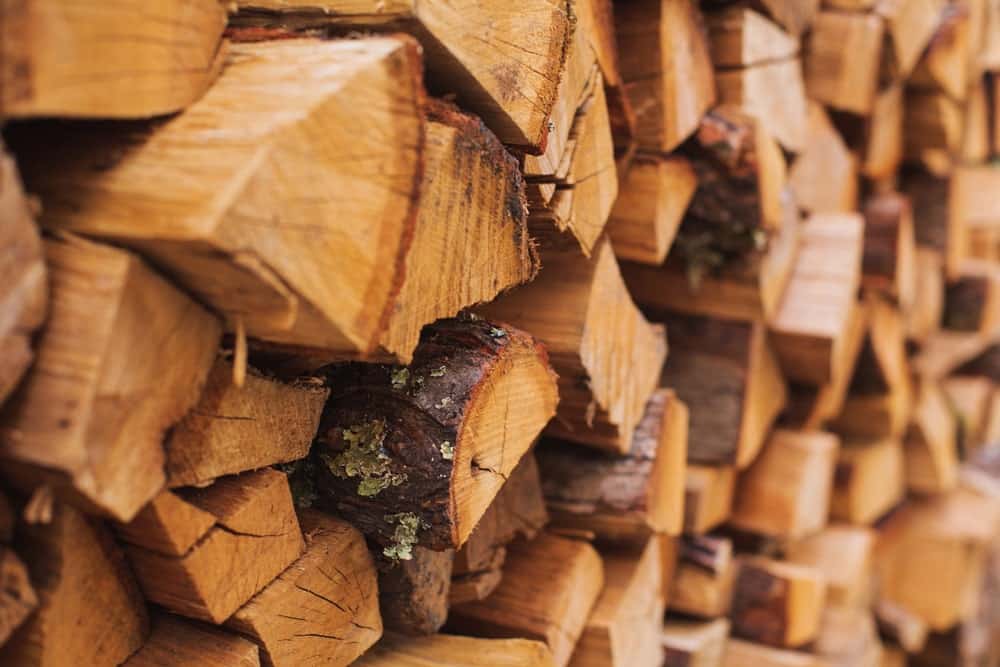
There’s nothing like the warmth and crackle of a real wood-burning fire. Whether it’s for ambiance or home heating, your fireplace can be a cozy focal point — but only if you’re burning the right kind of wood.Using the wrong firewood can result in excess smoke, poor heat output, creosote buildup, and even dangerous chimney fires. Below, we break down the best and worst types of wood to burn — and why choosing the right firewood is so important for your safety and comfort.Best Types of Firewood for a FireplaceThe best wood for burning is seasoned, dry hardwood. These woods burn longer, cleaner, and produce more heat with less smoke.1. OakOak is one of the most popular firewood choices. It burns slowly and produces steady, high heat. However, it must be properly seasoned — usually 12 to 24 months — for best performance.2. MapleMaple burns cleanly and gives off good … Continued

Read More

Chimney Swifts: What They Are, Why They Matter, and Why Your Chimney Needs Professional Care

August 15, 2025 | Chimney Inspections

As we are in the warmer months, chimney swifts are in their annual migration and nesting season across North America. These small birds often find their way into residential chimneys, using them as nesting sites during spring and summer. While they may seem harmless, chimney swifts can bring serious health and fire hazards if chimneys are not properly maintained.Here’s what you need to know about chimney swifts, their seasonal activity, and why proper chimney cleaning and inspection by a certified company like Chimney Champions is essential.What Are Chimney Swifts?Chimney swifts (Chaetura pelagica) are small, fast-moving migratory birds that are often seen darting through the sky at dusk. They were once known to nest in hollow trees and caves, but today, chimneys serve as their primary nesting structures in urban and suburban areas.These birds are unique in that they are unable to perch like most other birds. Instead, they cling to … Continued

Read More

Why should my chimney be waterproof?

September 7, 2021 | *Frequently Asked Questions (FAQ's)

If you live right here in Jacksonville, FL, then you know we’re blessed with plenty of sunshine and warm weather. However, we’re not immune to the occasional thunderstorm and downpour. If your chimney isn’t waterproof, then you could experience significant water damage in both your stack and your roof. But why is a waterproof chimney necessary if the downpours come and go? Chimney Champions is here to answer this, as well as other commonly asked questions we get from homeowners throughout the area.

Read More

3 Facts About Efflorescence

June 16, 2021 | Chimney Basics

Are you starting to see a white powder form on the exterior of your chimney? This residue is called efflorescence, and it’s not uncommon for homeowners to think that this is just a sign of an aging chimney. However, it’s a sign that your chimney needs an inspection, and the professionals at Chimney Champions want you to know that efflorescence should not be ignored. In fact, it could be a sign of a larger issue with your chimney, and definitely should be inspected. Here are several facts you need to know about this white, powdery substance appearing on your stack.

Read More

3 Signs of a Chimney Fire

November 10, 2020 | Chimney Inspections

On average, there are roughly 25,000 chimney fires every year, causing more than $125 million in damage. Still, many homeowners don’t realize that they need to have chimney inspections performed regularly. It’s very likely that you’ve had a chimney fire and haven’t even noticed. That’s where the team at Chimney Champions comes in. We can inspect the entire structure of your chimney and tell you whether or not you’ve experienced a fire in your chimney.

Read More